
Country Living editors select each product featured. If you buy from a link, we may earn a commission. Why Trust Us?


Bergenia

Also known by the irresistible name of pigsqueak, this part-shade perennial blooms in early spring. Trim it up as a handsome foliage plant after the blooms fade.
Varieties to try: Miss Piggy, Peppermint Patty
Related: The Best Spring Bulbs for Your Garden
Ligularia

Sometimes called “leopard plant,” Ligularia is an excellent choice for any shade garden—and not just because deer don’t enjoy eating it.
“One of the other nice things about this plant is its striking, purplish-red leaves,” says Daryl Beyers, author of The New Gardener’s Handbook. “There’s another variety that features yellow, daisy-looking flowers, and yet another called ‘The Rocket’ that boasts spikier blooms.”
Varieties to try: Desdemona, Britt-Marie Crawford, The Rocket
Related: 26 Best Shade Annuals for Bare Spots In Your Garden
Hosta

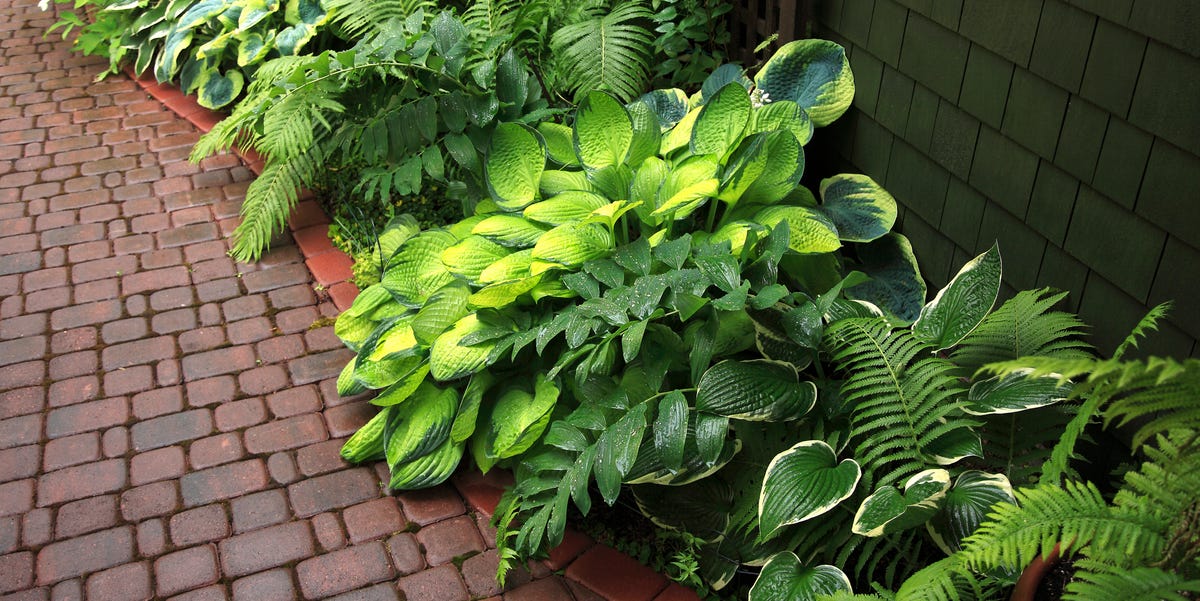
Hosta is a go-to plant for shady areas. Primarily a foliage plant, the broad-leafed beauty can actually be very small or very large.
“Sum and Substance is a variety that gets huge—about five feet across,” says Beyers. “Meanwhile, Mouse Ears is really, really tiny.” But heads up: Avoid this plant if deer browse your yard frequently.
Varieties to try: Sum and Substance, Mouse Ears, Shadowland Empress Wu, Shadowland Autumn Frost
Learn More: How to Care for Hostas
Spiderwort

Spiderwort or tradescantia is a part shade—not deep shade—plant. It features an intricate flower and can grow anywhere from a foot-and-a-half to two feet tall.
“The variety Sweet Kate has unique, chartreuse-colored leaves,” says Beyers.
Varieties to try: Sweet Kate, Concord Grape, Webmaster
Related: The 20 Best Patio Plants for a Lush Outdoor Space
Woodland Stonecrop

While some sedums can tolerate a bit of shade, one that thrives in it is Sedum ternatum, or woodland stonecrop.
Native to the U.S., this low-growing plant does well in moist, rocky soil and produces tiny white flowers. One editor grows it in a shady terrace bed along with a dwarf Japanese maple and hostas.
Viola

Astilbe

Lacey, toothed leaves and feathery plumes of pink, white, red, or purple flowers bloom in profusion in early to midsummer. A little morning sun helps them bloom better.
Varieties to try: Dark Side of the Moon, Milk and Honey
Related: 38 Deer-Resistant Plants Bambi Won’t Go Near
Lamium

Lamium has silvery, variegated foliage and yellow, pink, white or or purple blooms. It’s super-easy to grow and needs almost no care once established.
Varieties to try: Pink Chablis, Purple Chablis
Related: 30 Best Pink Flowers for An Enchanting Garden
Heuchera

Grown primarily for its colorful ruffled foliage, this perennial’s mounding habit shoots up small flower spikes in spring to mid-summer, which hummingbirds love!
Some varieties tolerate full sun, but many prefer shade.
Varieties to try: Dolce Appletini, Primo Pistachio
Related: 21 Flowers That Hummingbirds Adore
Epimedium

These little plants are also known as fairy wings or bishop’s cap due to the adorable shape of their flowers, which appear in early spring.
They don’t like foot traffic, so plant them where they won’t be stepped on. They are one of the few ground cover plants that does fairly well in dry shade.
Varieties to try: Pink Champagne, Lilafee
Ferns

Frothy-looking ferns are sturdier than they appear, popping up again after even the toughest winters. They prefer moist ground but are fairly drought-tolerant once established.
Varieties to try: Autumn, Japanese Painted
Hellebore

These cold-tolerant plants produce unusual, long-lasting blooms in late winter or very early spring. Also known as Lenten rose because they bloom around the time of Lent, the foliage is evergreen.
Varieties to try: Wedding Party Confetti Cake, Wedding Party Childhood Sweetheart, Honeymoon Irish Luck
Foamflower

Lobed foliage with red or purple veins make this plant unique. Also known as tiarella, this plant boasts floaty little flowers that resemble foam on long stems in late spring to early summer.
Varieties to try: Cutting Edge, Jade Peacock
Toad Lily

The intricate flowers (spotted like a toad!) are the reason to grow these little gems. They bloom mid-to-late summer to fall in a variety of spotted colors ranging from white to lavender.
Varieties to try: Purple Beauty, Raspberry Mousse
Bletilla

This exotic-looking flower, also known as ground orchid, appears in early spring in white, purple, and various shades of pink. Its blooms often last up to six weeks.
It’s an unusual landscape plant for warmer climates, or it can be overwintered indoors in containers.
Varieties to try: White Pearl, Kate
Siberian Bugloss

This perennial with a funny name is grown for its striking foliage and graceful sprays of long-lasting, tiny blue flowers, which appear in spring. Also known as brunnera, it’s a hardy, low-maintenance plant.
Varieties to try: Jack Frost, Queen of Hearts
Corydalis

Tubular lightly-scented spring flowers hang above finely-cut foliage. The plant is ideal for warm climates. Foliage may die back in summer and sprout again in fall.
Varieties to try: Purple Bird, Canary Feathers
Bleeding Heart

It’s easy to see how this old-fashioned favorite gets its name. Perhaps unsurprisingly, they’re often ascribes special meaning on Valentine’s Day.
Sprays of late spring to early summer flowers come in a variety of colors ranging from deep red to pink with lime-green to dark green foliage.
Varieties to try: White Diamonds, Pink Diamonds
Lungwort

This pretty ground cover blooms in early to late spring with small bell-shaped flowers and spotted foliage.
It looks best planted en masse. The un-glamorous name comes from its historic usage to treat lung ailments!
Varieties to try: Spot On, Pink-a-Blue
Related: 25 Best Ground Covers for Backyard Bald Spots
Foxglove

Although this perennial blooms well in full sun, it tolerates part shade, especially in hot climates. The tall spiked flowers are a standard in cottage gardens and cutting gardens.
Varieties to try: Polkadot Princess, Foxy
Related: Here’s How to Grow An At-Home Cutting Garden
Watch Next

Advertisement – Continue Reading Below
Advertisement – Continue Reading Below
Advertisement – Continue Reading Below