
While it may feel like gardening season is out of reach, January can actually be a great time to start planting certain vegetables. How and what you plant depends greatly on your growing zone. For example, in northern regions where the ground is too hard to direct sow outdoors, you can get a jump on the season by starting seeds indoors and transplanting them outside in spring. In mild to warmer climates, such as in the south, it’s warm enough to sow certain vegetable seeds outside now. Whether you’re fantasizing about harvesting winter greens or planning your spring and summer garden, these are the vegetables our experts say you can plant in January.
Peas
Neyya/Getty Images
You can plant pea seeds (Pisum sativum) outside in January in regions with mild climates where the soil temperature is between 40 and 52 degrees Fahrenheit, says Linda Langelo, horticulture specialist at Colorado State University. Otherwise, start them indoors in seed trays.
When planting pea seeds, proper soil preparation is essential. “Be sure to loosen the soil to a depth of 6 to 8 inches. Ensure the soil is smooth,” she says. “It helps to add some water before planting. Then, plant peas 1 1/2 to 2 inches deep and 1 1/2 to 2 inches apart, with rows spaced 18 to 24 inches apart.” Keep the soil moist, but not soggy.
Peppers
Getty Images
Peppers (Capsicum annuum) can be direct sown or started from seed in January, depending on which growing zone you live in. If you live in the northern U.S. in zones 3 to 5, pepper seeds can be started indoors in late January and February, says Langelo. In warmer climates, such as zones 10 to 11, pepper seeds can be sown outdoors because these regions do not experience hard freezes. The same rules apply to eggplants (Solanum melongena).
Tomatoes
Susumu Yoshioka / Getty Images
Tomatoes are a summer crop, but you can get a jump start on the growing season by starting the seeds indoors. Christine Coker, an urban horticulturalist at Louisiana State University AgCenter, says tomato seeds can be sown indoors in containers in the midwestern U.S. in January. “They need eight to 10 weeks before transplanting outdoors,” she adds. “Keep the soil moist but not soggy; use seed-starting mix for better drainage.”
Onions
YuriyS / GETTY IMAGES
Onions (Allium cepa) can be started from seed in late January through February in zones 5 through 8, or direct sown outdoors in the south. After about 10 to 12 weeks, the seedlings can be transplanted outside, once the last spring frost has occurred. “Onions are day-length sensitive, so pick a variety that is best for your region,” Langelo says. Use a seed-starting mix to ensure proper drainage, and pre-moisten the seeds before planting, she adds.
Spinach
Julia Cherkasova / Getty Images
Spinach (Spinacia oleracea) is the star of the garden during winter. It can be direct sown in areas where the ground is workable or grown in containers. “The seeds tolerate freezing temperatures,” says Langelo. “The cold makes the spinach sweeter by converting starches to sugar. When spinach is grown in warmer weather, it can have a slightly bitter taste.” Coker recommends using floating row covers to protect spinach from unexpected frosts.
Kale
Wera Rodsawang/Getty Images
There are hardy kale varieties (Brassica oleracea var. acephala) that can be sown outdoors in January, so long as the ground is workable, including Siberian, Red Russian, and Winterbor. “They do well in temperatures below freezing if given some additional protection, such as a row cover or cold frame,” says Langelo.
Broccoli
Laurence Mouton / Getty Images
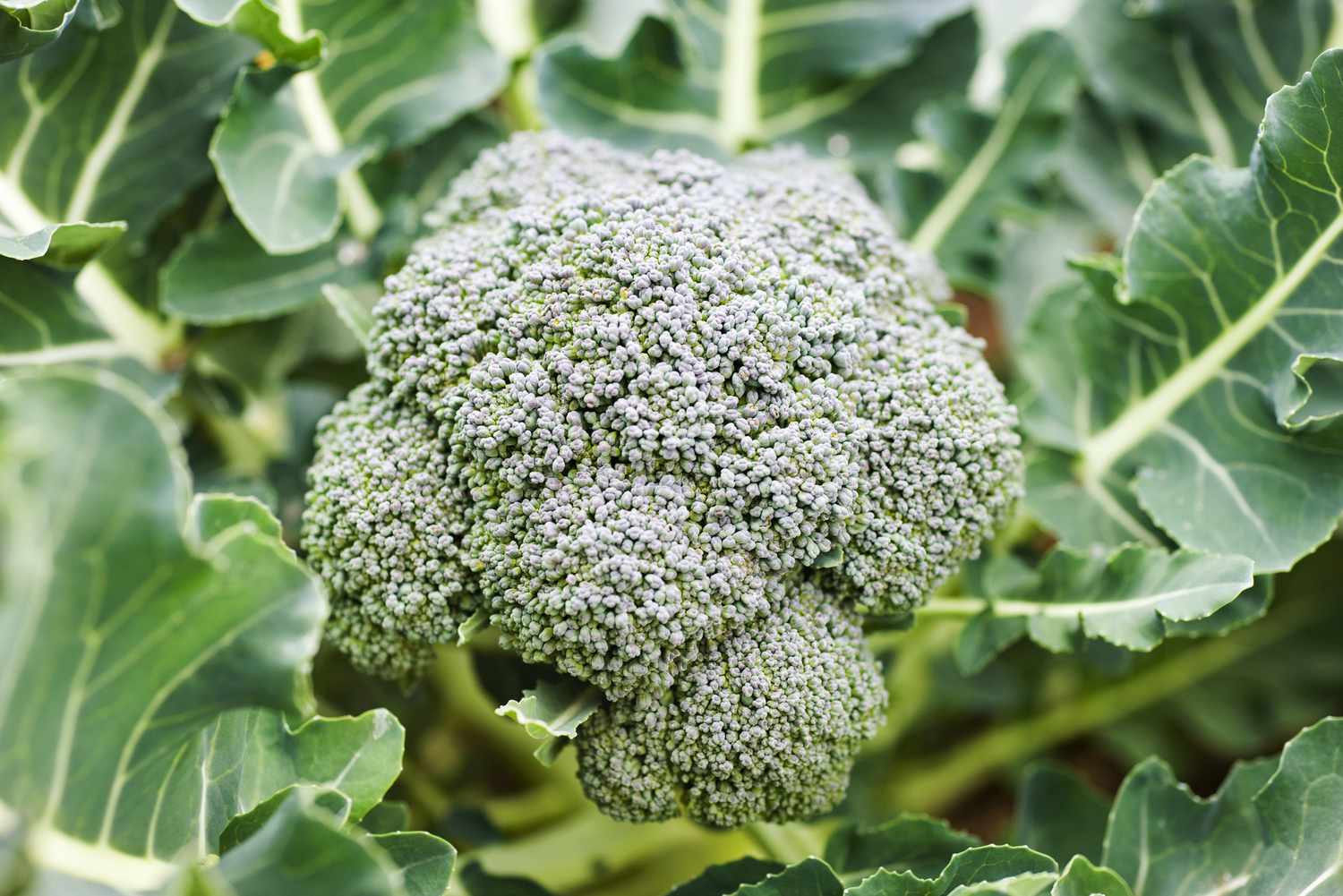
Although it’s too cold to direct sow in northern climates during January, this month is a great time to start certain seeds inside. Coker recommends starting broccoli (Brassica oleracea var. italica) seeds now and transplanting them outside later. “Use grow lights and maintain temperatures around 65 to 70 degrees Fahrenheit,” she says. In the southern U.S., broccoli seedlings can go outside now, as can cabbage.