
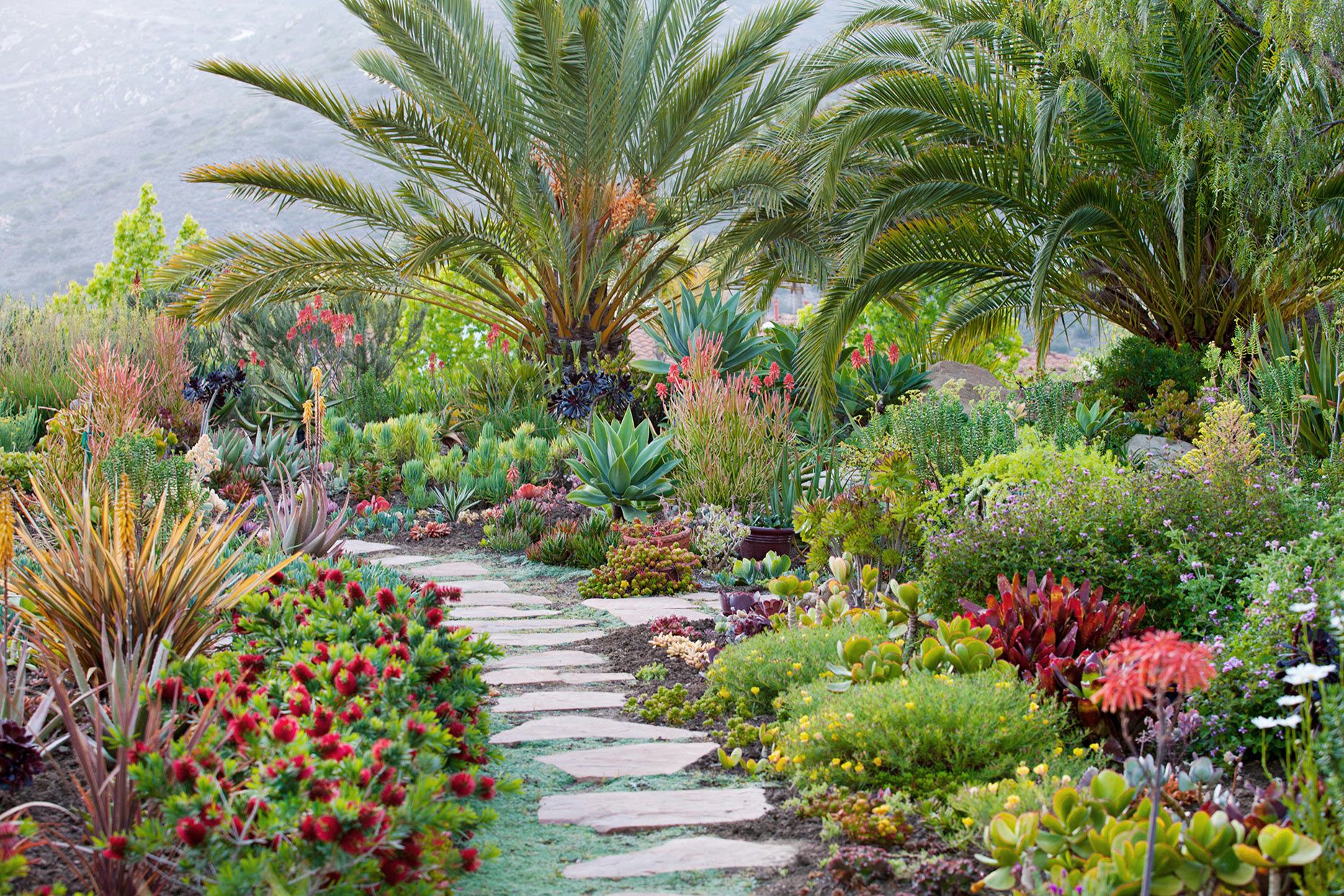
Edging plants help create a crisp, finished look to garden beds. Position these plants alongside non-living edging materials such as brick or metal to soften their appearance, or use lower-growing plants on their own to outline different areas of your garden. The following edging plants, divided by options for full sun and shade, will look beautiful on the frontlines of your flowerbeds through the seasons.
Edging Plants for Sun
Boxwood
Boxwood is a classic choice for elegant, evergreen edging. Opt for dwarf varieties like ‘Morris Midget’ and ‘Wee Willie’ to achieve a neat, compact hedge for your garden borders. For the best look and health, shear your boxwood annually to keep its shape and size in check. While hardiness can vary by variety, most boxwood plants thrive in Zones 4-8.
Daylily
Daylilies offer lush green mounds and work well as edging plants from spring to fall. In midsummer, they produce vibrant flower spikes in shades of yellow, orange, red, and pink. To keep your garden looking neat, remove the flower stalks after the blooms have faded. Daylilies are generally hardy from Zones 3-10, making them a versatile choice for many regions.
Lady’s Mantle
Lady’s mantle is a charming perennial known for its scallop-shaped green leaves that form neat mounds. The plant’s fine hairs capture water and dewdrops, creating a sparkling effect. In early summer, it dazzles with clusters of tiny, chartreuse flowers. This low-growing plant is perfect for edging in Zones 4-7.
Lavender
Lavender flourishes in bright sun and dry conditions, making it both a hardy and aromatic choice for edging. Suitable for Zones 5-10, it stays evergreen in warmer regions. You can harvest its purple, blue, or white flowers for beautiful bouquets or drying.
Moss Rose
Moss rose thrives in dry conditions and full sun, blooming throughout the season with vibrant, jewel-tone flowers. This annual grows rapidly, forming a lush, colorful mat just 6 inches tall—ideal for edging against low-growing plants.
Sedum
Upright sedum varieties like ‘Matrona’ bring autumn color to your garden while creating a tidy edge for taller plants. This hardy perennial is resistant to both heat and drought. Most sedum types are suitable for Zones 3-10, and their flowers are known to attract pollinators.
Thrift
This pretty perennial produces tidy mounds of grassy foliage. Rounded clusters of bright pink or white flowers bloom from late spring to early summer. Thrift loves full sun and very well-drained soil in Zones 3-9.
Thyme
Fragrant and flavorful, thyme creeps to form a mound of foliage decorated with pink or white flowers in summer. Low-growing thyme is an ideal edging plant in front of low-growing perennials or in an herb garden in Zones 4-9.
Zinnia
An annual that’s easy to start from seed, zinnias are available in many colors and sizes. Shorter, dwarf varieties or seed mixes such as ‘Thumbelina’ or ‘Short Stuff’ make colorful edging plants.
Edging Plants for Shade
Astilbe
Feathery flower plumes and fernlike foliage make astilbe a stunning addition to any shade garden in Zones 3-8. This drought-tolerant perennial’s tidy shape makes it a good choice for landscape edging. Flower colors include white, pink, and red.
Epimedium
A favorite edging plant for shady landscape beds, epimedium (barrenwort) is a perky little perennial that blooms in spring with spidery flowers in shades of pink, purple, orange, yellow, and white. Many varieties have attractive foliage that turns bronzy in autumn. This tough plant also is drought-tolerant and hardy in Zones 5-9.
Begonia
An annual with lots of flower power, begonias grow best in well-drained, rich soil and warm weather. Many varieties stand less than 12 inches tall, making them well-suited as an edging plant.
Coleus
This annual’s colorful foliage will wake up a sleepy shade garden. Many coleus cultivars and color combinations are available. (Some also will grow in the sun.) Pinch these fast-growing plants back to maintain the best height for edging your garden bed.
Ferns
Thriving in moist soil and part shade to deep shade in Zones 3-9, many ferns make easy-care edging plants. Choose low-growing types for the front of a garden bed. Be aware that some ferns spread quickly—if they begin encroaching on nearby plants, you can divide them.
Hellebore
Leathery evergreen foliage and late-winter or early-spring flowers are the hallmarks of hellebores. Plenty of varieties offer beautiful blooms in white, cream, pink, rose, bicolors, and even nearly black. Hint: Plant several of the same variety for consistent edging plants. Hellebore is hardy in Zones 4-9.
Coralbells
Gorgeous foliage in shades of green, yellow, and burgundy, topped by delicate flower spikes in summer, make coralbells a high-impact edging plant. This tough perennial grows in dry conditions and a variety of soils in Zones 4-9.
Hosta
Low-growing hostas such as ‘Blue Mouse Ears’ and ‘Chartreuse Wiggles’ make excellent edging plants for a shady garden bed. Hardy in Zones 3-9, hostas feature leaves ranging in color from chartreuse to bluish. Varieties with variegated leaves will add extra brightness to the garden, while solid-hued foliage will create a sense of calm.
Japanese Forestgrass
One of the few grasses that thrives in shade, Japanese forestgrass forms compact mounds of gracefully arching foliage. Also called Hakone grass, this perennial makes a tough, drought-tolerant plant for landscaping edging in Zones 5-9.
Liriope
A classic edging plant in warmer regions, liriope (lilyturf) is a tough but showy perennial. Wands of small, purple flowers punctuate the grasslike, evergreen foliage during the summer in Zones 4-10. Look for variegated varieties for an extra splash of color.
Tips for Growing Edging Plants
The best edging plants for your landscape catch your eye and lead it forward—for example, calling attention to a garden path to help direct foot traffic. Placing colorful edging plants around a flower bed also adds visual excitement while clearly defining the planting space from other nearby features.
1. Make sure to consider mature size.
Underestimating the mature size of a new landscaping addition is a frequent mistake when selecting all types of plants, but it’s especially problematic when it comes to edging plants. Take lavender: In a 4-inch nursery pot at the garden center, it’s hard to imagine lavender could expand to 24 inches wide in a couple of years. Bottom line: Carefully read nursery tags and space your plantings according to their mature size, not the size they are when you purchase them.
2. Match the plant to your light.
Before you pick your edging plants, assess the amount of sunlight your space gets. Full-sun plants will perform best if the sun shines directly for eight or more hours a day. But if the bed is shaded enough to get less than eight hours of direct sunlight a day, choose plants that prefer growing in part shade.
3. Keep it uniform.
A uniform look helps convey a more orderly aesthetic. Using just one type of edging plant—for example, one of many evergreen edging plants, like blue star juniper or creeping juniper—provides a consistent frame for the seasonally changing inner parts of the garden.