
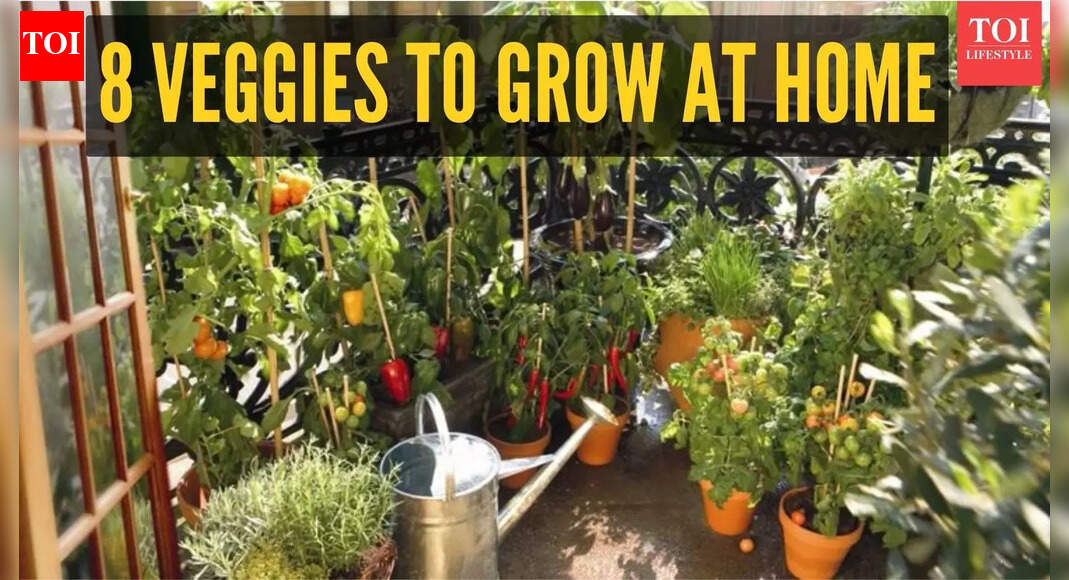
With grocery prices climbing and fresh produce quality varying, many city dwellers are turning to an age-old solution: growing their own food. The UN Food and Agriculture Organization estimates that 800 million people grow food in and around cities, proving that you don’t need acres of farmland to harvest fresh vegetables.“Urban gardening offers a practical solution for people who want fresh, healthy food without the hefty price tag,” said Vince Braun, sustainable living advocate at HealthiStraw. “The beauty of apartment gardening is that it works with your space, not against it.”
8 vegetables that thrive in urban gardens
Whether you have a sunny balcony, a bright windowsill or just a corner that gets decent light, these vegetables can thrive in containers and bring farm-fresh flavours right to your kitchen:
- Cherry Tomatoes – These compact powerhouses are perfect for beginners. Cherry tomatoes need a container at least 12 inches deep and 6-8 hours of direct sunlight daily. Place them on a sunny balcony or by a south-facing window. Water when the top inch of soil feels dry and provide a small stake for support as they grow. Avoid overwatering, which can cause root rot and split fruit.
- Lettuce and Leafy Greens – Lettuce grows quickly and doesn’t require deep containers, 4-6 inches is plenty. These cool-weather crops actually prefer partial shade, making them ideal for less sunny spots. You can harvest outer leaves while the center keeps growing. Avoid letting the soil dry out completely, as this makes leaves bitter and tough.
- Peppers – Both sweet and hot peppers adapt well to container life. They need containers at least 8 inches deep and love warm, sunny spots. Peppers are drought-tolerant once established, making them low-maintenance options. Watch for pests like aphids, which can quickly damage young plants.
- Radishes – These fast-growing vegetables are ready to harvest in just 30 days. Radishes need shallow containers (4-6 inches deep) and can tolerate partial shade. They’re perfect for beginners because they’re nearly foolproof. Avoid overcrowding with thin the seedlings to give each radish room to develop.
- Herbs (Basil, Cilantro, Parsley) – Fresh herbs provide the biggest flavour impact for the smallest space investment. Most herbs thrive in 6-8 inch containers and can tolerate some shade. Regular harvesting actually encourages more growth. Avoid planting mint with other herbs, as it spreads aggressively and can take over.
- Spinach – This nutrient-dense green grows well in cooler temperatures and partial shade. Spinach needs containers 6-8 inches deep and consistent moisture. It’s perfect for spring and fall growing when temperatures are moderate. Avoid growing in summer heat, which causes the plants to bolt and become bitter.
- Green Onions – Perhaps the easiest vegetable to grow indoors, green onions can even regrow from kitchen scraps. They need minimal space and light, making them perfect for windowsills. Simply place the white roots in water or shallow soil. Harvest by cutting the green tops, leaving the roots to regrow.
- Microgreens – These nutrient-packed baby greens are ready to harvest in just 7-14 days. They need only 1-2 inches of growing medium and can grow under artificial light. Microgreens pack intense flavour and nutrition into tiny packages. Avoid overwatering, which can cause damping-off disease.
“One of the biggest game-changers for urban gardeners is using straw as a mulch,” explained Braun. “Materials like wheat straw provide excellent drainage while retaining moisture, and they’re completely sustainable since they repurpose agricultural byproducts that would otherwise go to waste.”For containers, drainage is vital: drill holes in the bottom if they don’t already exist. Most vegetables need at least 6 hours of sunlight daily, though leafy greens can tolerate less. Start with just 2-3 types of vegetables to avoid overwhelming yourself, then expand as you gain confidence.
Bottom line
Vince Braun opined, “Growing your own food in small spaces connects you with nature in ways that benefit both your health and the environment. When you use natural materials like wheat straw in your containers, you’re creating a growing system that mimics what happens in nature: proper drainage, moisture retention, and organic matter that feeds your plants. The secret to successful apartment gardening is starting small and choosing vegetables that match your available light and space. Even a single windowsill can produce enough fresh herbs to transform your cooking.”There is something wholesome in growing food anywhere. It changes how you think about your living space and your connection to what you eat. There is nothing quite like the satisfaction of harvesting vegetables you grew yourself.