
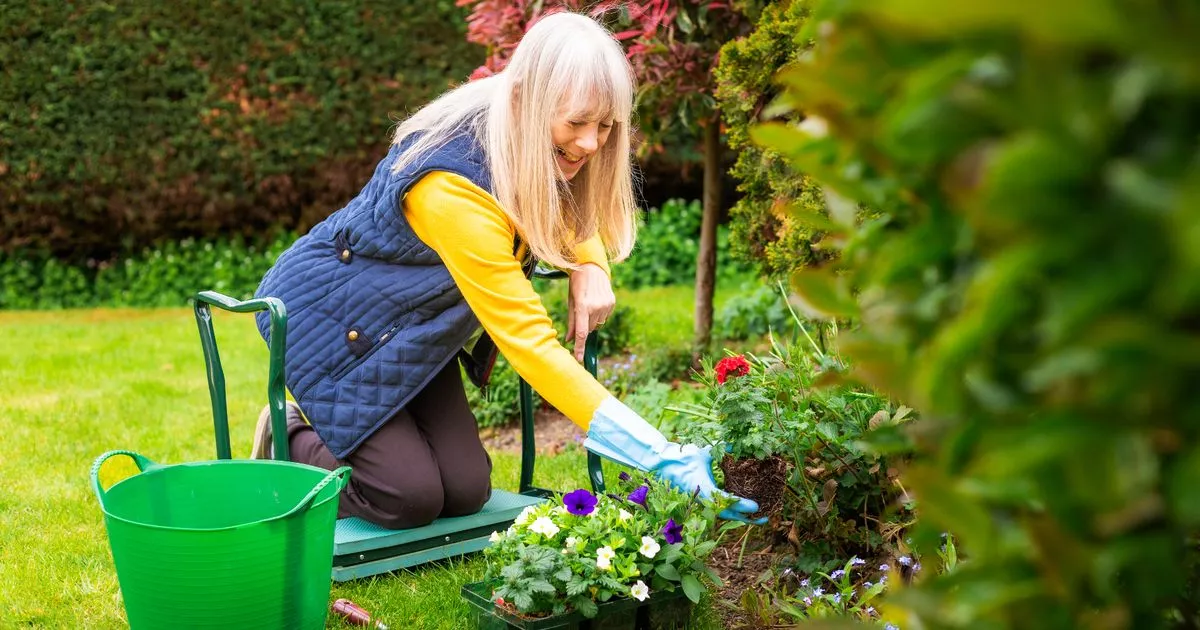
A professional florist named April has shared a list of five flowers that anyone can attempt to grow at home, no matter how much experience you have in the garden

Embarking on gardening as a hobby for the first time can seem intimidating. There’s a vast array of things you can cultivate in your garden, and you’ll need to be clued up on everything from the type of soil in your flower beds to the amount of sunlight your outdoor space receives.
Each plant has unique needs, with some being very specific about their sunlight requirements, preferred soil, and watering frequency. This can be daunting for green-fingered novices and can leave you feeling like anything you attempt to grow will be a struggle to keep alive.
However, not all plants are a nightmare to look after. Some flowers are ideal for beginners due to their ease of growth and lack of need for any gardening experience.
A recent TikTok video posted by a florist named April spotlighted five flowers that anyone can start growing, regardless of their level of gardening expertise. So here’s everything you need to know.
1. Cosmos
Cosmos are annual flowering plants known for their delicate, daisy-like flowers in shades of pink, white, and orange. They are great for pollinators such as bees and butterflies.
How to grow:
- Sowing: Sow seeds indoors in trays in early spring (March–April) or outdoors (May) after the last frost.
- Conditions: Requires full sun and well-drained soil. They thrive in poor to average soil, so no need for rich compost.
- Planting Out: In late May or June, transplant hardened-off seedlings outside once the risk of frost has passed.
- Maintaining: Deadhead regularly to encourage further blooming. They are drought-tolerant but appreciate occasional watering during dry periods.
2. Ranunculus
Ranunculus produces stunning cup-shaped flowers with layers of paper-thin petals. They are grown from corms and are a favourite in cut-flower gardens due to their vibrant colours.
How to grow:
- Corm Preparation: Soak corms in water for 3–4 hours before planting to ‘wake them up.’
- Planting: Plant the corms in autumn (for over-wintering) in mild areas or in spring for summer blooms. Place the ‘claw’ (pointy side) facing down in well-drained soil.
- Conditions: Ranunculus prefer a sunny position with light, fertile soil that does not become waterlogged.
- Maintenance: Protect young shoots from slugs and snails. Water moderately and avoid overwatering, as the corms may rot. Dig up and store corms over winter in cooler regions to replant the following year.
3. Zinnia
Zinnias are bright, cheerful flowers that come in a range of colours. Popular for their long-lasting blooms, they are an excellent choice for cutting gardens.
How to grow:
- Sowing: Sow seeds indoors in compost-filled pots in April or directly outside in May after the danger of frost has passed.
- Conditions: Zinnias love full sun and rich, well-drained soil. They do best in a warm summer, so choose a sheltered spot.
- Planting Out: Transplant seedlings into beds or planters when they are strong enough and the weather is warm.
- Maintenance: Water regularly and deadhead to prolong flowering. Protect young plants with fleece if late frosts are expected.
4. Dahlia
Dahlias are tuberous perennials with impressive, bold flowers that range from small pom-poms to giant dinner-plate blooms. They offer great variety in shape and colour.
How to grow:
- Tuber Preparation: Start tubers indoors in pots in spring (early April) to encourage early growth. Alternatively, plant directly outdoors in mid-May.
- Planting: Choose a sunny spot with fertile, well-drained soil. Add well-rotted compost to the planting hole. Position tubers so the crown of the plant is just above the soil.
- Maintenance: Stake tall varieties as they grow. Water dahlias regularly during dry spells and feed them fortnightly with a high-potash fertiliser once buds develop. Lift and store tubers in autumn before frost hits, unless you live in a mild area.
5. Sweet pea
Sweet peas are fragrant climbing annuals with small, butterfly-shaped flowers in pastel or vibrant colours. They’re classic cottage garden plants that look lovely on trellises, fences, or obelisks.
How to grow:
- Sowing: Sow seeds indoors in late autumn (October–November) for sturdier, earlier plants or in late winter (January–March) for summer blooms. You can also sow directly outdoors in April. Soak seeds overnight before sowing to encourage germination.
- Conditions: Sweet peas prefer a sunny, sheltered position with rich, moist, well-drained soil. Add manure or compost when planting them out.
- Support: As climbers, they need canes, netting, or trellises for support.
- Maintenance: Water regularly but don’t let the soil become waterlogged. Pick flowers regularly to encourage more blooms and prevent pod development.