
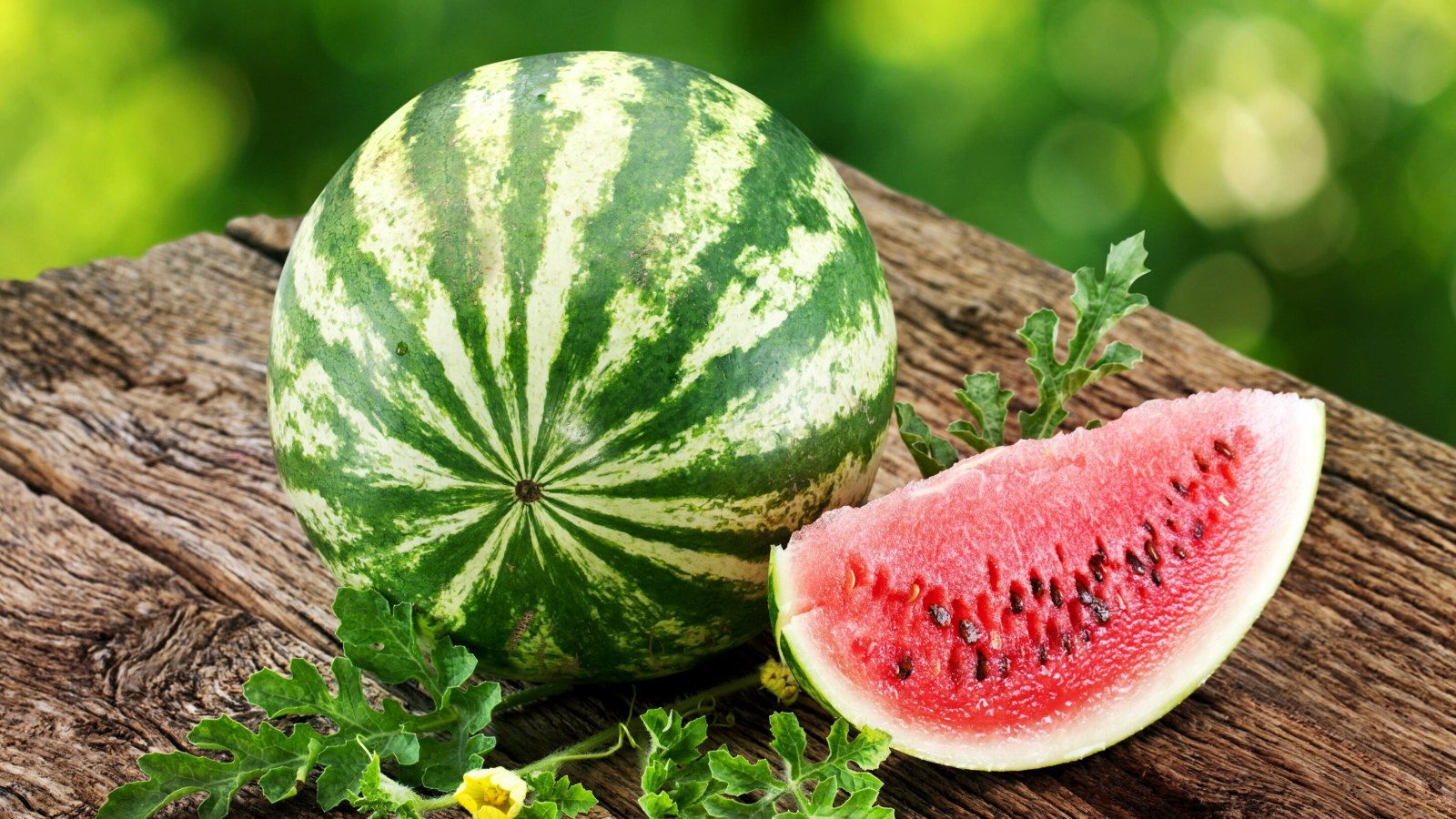
Watermelons may conjure up images of large and weighty fruits, leaving you with the impression that it is impossible to grow them any way but at ground level. However, what if I told you that you can grow watermelons vertically, and there are real benefits to doing so?
It opens up doors to cultivating watermelons in smaller urban spaces. While growing watermelons vertically requires planning and attention, it saves on space, helps keep plants healthy, and even potentially increases harvests.

(Image credit: Getty Images/boonsom)
Can you grow watermelon vertically?
Yes, you can certainly grow watermelons vertically in small gardens, raised beds, or even large containers. It takes some degree of skill to grow crops in a vertical garden, but when you get it right, there are tangible benefits to doing so.
Not only does it save space, but the improved air circulation reduces the risk of fungal diseases, and increased exposure to the sun helps to ripen the fruits.
Finally, as the fruits are off the ground, there is a lower risk of pests nibbling them. So, when you pick a watermelon, the fruit is more likely to be blemish-free.
1. Pick a smaller variety
Watermelons are known as weighty fruits. While you can theoretically grow any type of watermelon vertically, you make life a lot easier for yourself by picking smaller varieties to do so with.
‘Smaller varieties like the ‘Sugar Baby’, ‘Golden Midget’, or ‘Mini Love’ are ideal for vertical growing since they are smaller and less heavy than larger varieties, which will become too heavy for a support structure,’ says experienced horticulturist Michael Clarke.
While commercial watermelon growers have the setup to grow larger varieties, smaller types are always simpler and more suited to grow vertically in home backyards.
Discover the range of watermelon seeds at Amazon
Discover the range of watermelon seeds at Walmart
Discover the range of watermelon seeds at Burpee
Discover the range of watermelon seeds at True Leaf Market

Michael Clarke is the founder of Yardwork and Pulled, the online platforms for everything home and garden. He has a degree in landscape architecture and horticulture from the University of California Davis. He was previously the founder of a landscape development and maintenance company.
2. Use a sturdy structure

Creating a strong vertical trellis is integral to support the weight of the watermelons as they grow, again emphasising why smaller-fruiting varieties are more recommended.
A strong A-frame or vertical vegetable garden trellis can be made of wood or metal, and Michael Clarke advises making sure it can hold ‘at least 20–30 pounds per vine’.
‘Cattle panels or welded wire fencing can be good metal options because of their strength and ease of training vines,’ he says. ‘Make sure to anchor the structure securely, especially in windy areas.’
It is always recommended to have the climbing plant support in place when you plant watermelons, to avoid damaging the plants by installing it later.
A garden box planter with a trellis like this at Walmart offers a ready-made, sturdy setup for growing watermelons vertically, along with any other climbing plants.
3. Regularly train the vines
You need to tie in the vines regularly using soft ties such as garden twine, rope, or cloth strips. Tie them with a loose figure-of-eight loop, avoiding metal ties or tying too tightly, as this can damage the stems.
‘As your watermelon vines grow, you’ll need to tie the vines frequently,’ advises Lotte Berendsen, an expert from PlantIn app. ‘Take some time to evaluate your watermelon’s vines each day as it grows.
‘Watermelons are not natural climbers, so you’ll need to continue attaching the vines frequently. To make sure the plant continues to grow upward, tie the vines as they begin to grow away from the trellis.’
You can prune watermelon plants as they develop to train a selected number of main vines up the trellis, rather than taking the time and effort to tie in and train all stems that develop, as the trellis can get crowded.

Lotte is a gardening enthusiast, writer, and plant expert at PlantIn, where she provides customers with detailed care and treatment plans.
4. Support fruits as they develop

Even smaller-fruiting types need the fruits to be supported on the trellis to prevent the vines from falling. Not protecting the fruits risks them dropping to the floor, but it can be quick and simple to protect them from this devastating sequence of events.
‘We recommend creating a sling, from old fabric or a net, to create support for the fruits,’ says Lotte Berendsen. ‘Attach the fabric or net with the fruit inside to the trellis, and allow the fruits to grow into the sling.’
You can use a range of materials to create a sling from, including old t-shirts, pantyhose, stretchy fabric or mesh produce bags.
They want to be put in place once the fruit weighs a few pounds and is around the size of a softball, allowing them to cradle and support the maturing watermelons as they ripen.

Sugar Baby Watermelon Seeds
Sugar Baby is a compact variety of watermelon ideal for growing vertically that produces sweet 12 lb dark green-skinned melons.

Golden Midget Watermelon Seeds
Golden Midget is a fast-growing watermelon variety that produces mini fruits around 9 lbs in under two months from planting.

18inch Heavy Duty Watermelon Nets
This pack contains 50 reusable plastic mesh bags that can support watermelons that weigh 3.5kg-10kg (7lbs-22lbs ).
FAQs
How tall should a trellis be for watermelon?
A watermelon plant can put out vines that reach 8-10 feet, depending on the variety. However, as you should grow smaller varieties, then a trellis needs to be 6-8 feet tall to accommodate the plant’s stems. It needs to be tall enough for the vines and wide enough to tie at least two main vines up, which will tend to grow around two feet apart.
For the healthiest, thriving watermelons, always plant them in a spot with full sun, warm temperatures around 80°F and fertile, well-draining soil. And to keep them pest-free during the season, companion plant watermelons alongside alliums, aromatic herbs, or marigolds to deter common pests and attract beneficial predators to feed on unwanted visitors.
Then when you’re ready to harvest your first delicious crop of fruits, discover how to store watermelon correctly to keep it fresh for as long as possible.