
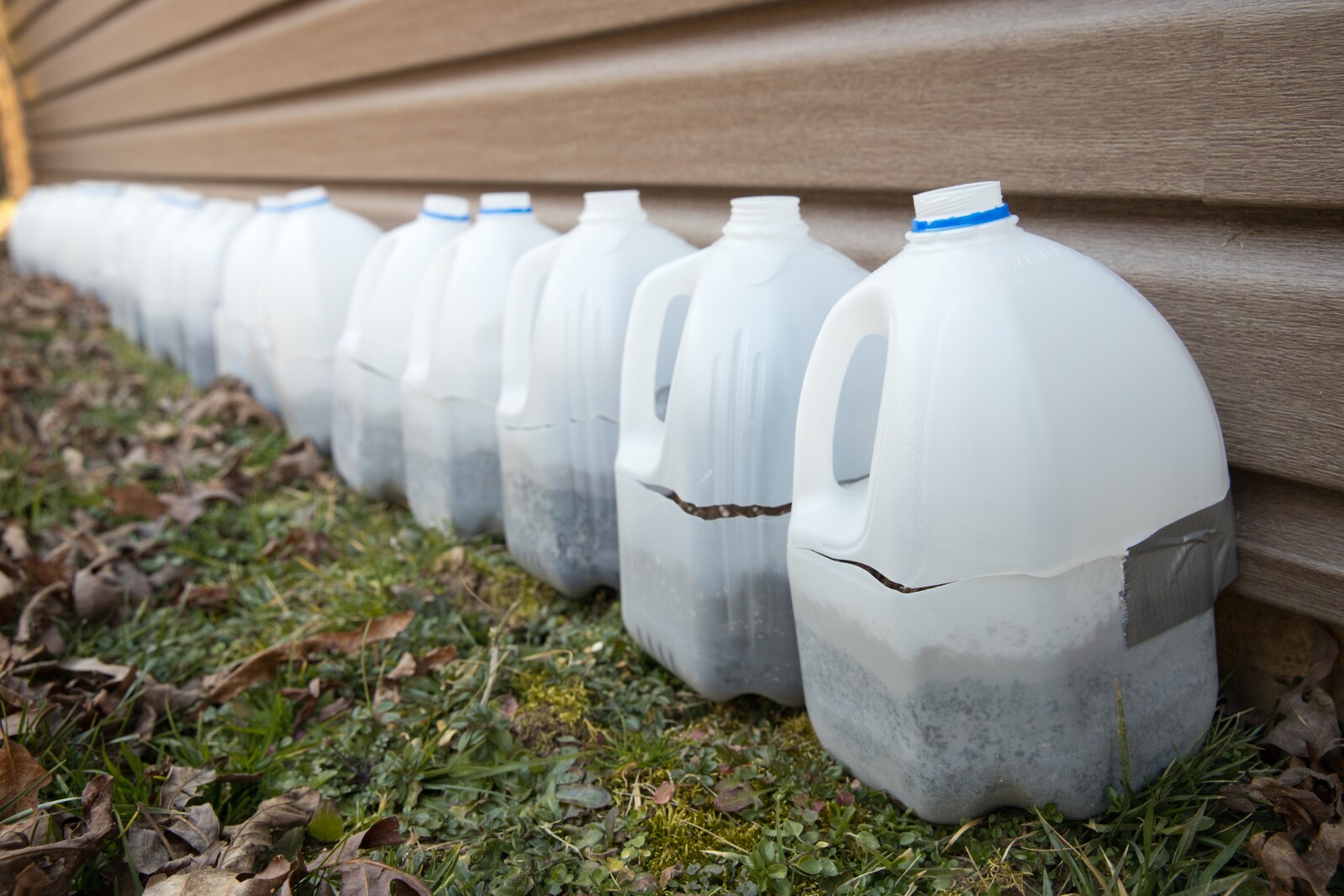
— Think gardening season is months away? Not so fast! As Minnesota moves into January, you can get a head start with winter sowing, a simple, budget-friendly way to grow native plants that pollinators love.
All you need are recycled containers (like milk jugs), potting soil, and seeds. These mini greenhouses sit outside all winter, giving seeds the cold stratification they need to break dormancy. Come spring, you’ll have strong, hardy seedlings ready for transplanting, no indoor lights or heating mats required.
What is winter sowing? It is an easy germination method that uses nature’s freeze-thaw cycles to do the work for you. Seeds are planted in soil-filled containers and placed outdoors, where they get oxygen, water, light, and the right temperatures, without taking up space inside. They’ll sprout naturally as the weather warms.
January is the perfect time start for perennials that need cold stratification. Continue through March for hardy annuals as long as nights stay chilly.
Gather the supplies, including the following:
- Gallon milk jugs or clear plastic containers.
- Potting soil (not garden soil).
- Clear duct tape.
- Drill or knife for drainage holes.
- Seeds, labels, and a permanent marker.
Prep the containers by doing the following:
- Clean thoroughly.
- Cut jugs horizontally, leaving a hinge.
- Add drainage holes in the bottom and ventilation holes in the lid (or leave caps off).
Plant the seeds
- Moisten potting mix and add 3 inches of it to the container.
- Sow seeds and cover lightly per packet instructions.
- Label inside and outside.
All that is left is to tape the jug closed and place it outside in a sunny, protected spot. The snow and rain will keep the seeds moist.
What are pollinator-friendly seeds to try?
- Purple Coneflower (Echinacea purpurea): Attracts native bees and butterflies.
- Swamp Milkweed (Asclepias incarnata): Essential for monarchs.
- Wild Bergamot (Monarda fistulosa): Loved by bumblebees and hummingbirds.
- Black-Eyed Susan (Rudbeckia hirta): Supports bees and beneficial beetles.
- Prairie Blazing Star (Liatris spicata): A magnet for monarchs and swallowtails.
Make sure to check for condensation. If dry, add water and adjust ventilation. As spring approaches, gradually open containers to harden off seedlings before transplanting.
Pollinator populations are declining, and planting native species is one of the most impactful steps gardeners can take. Winter sowing makes it easy, affordable, and eco-friendly — while ensuring your garden buzzes with life this summer.
Until next time, happy gardening!
“Every gardener knows that under the cloak of winter lies a miracle — a seed waiting to sprout, a bulb opening to the light, a bud straining to unfurl. And the anticipation nurtures our dream.” — Barbara Winkler
For more news from U of M Extension, visit
or contact Extension Communications at extdigest@umn.edu. University of Minnesota Extension is an equal opportunity educator and employer.
is a horticulture educator with University of Minnesota Extension. Contact her at 320-762-3890, or at