
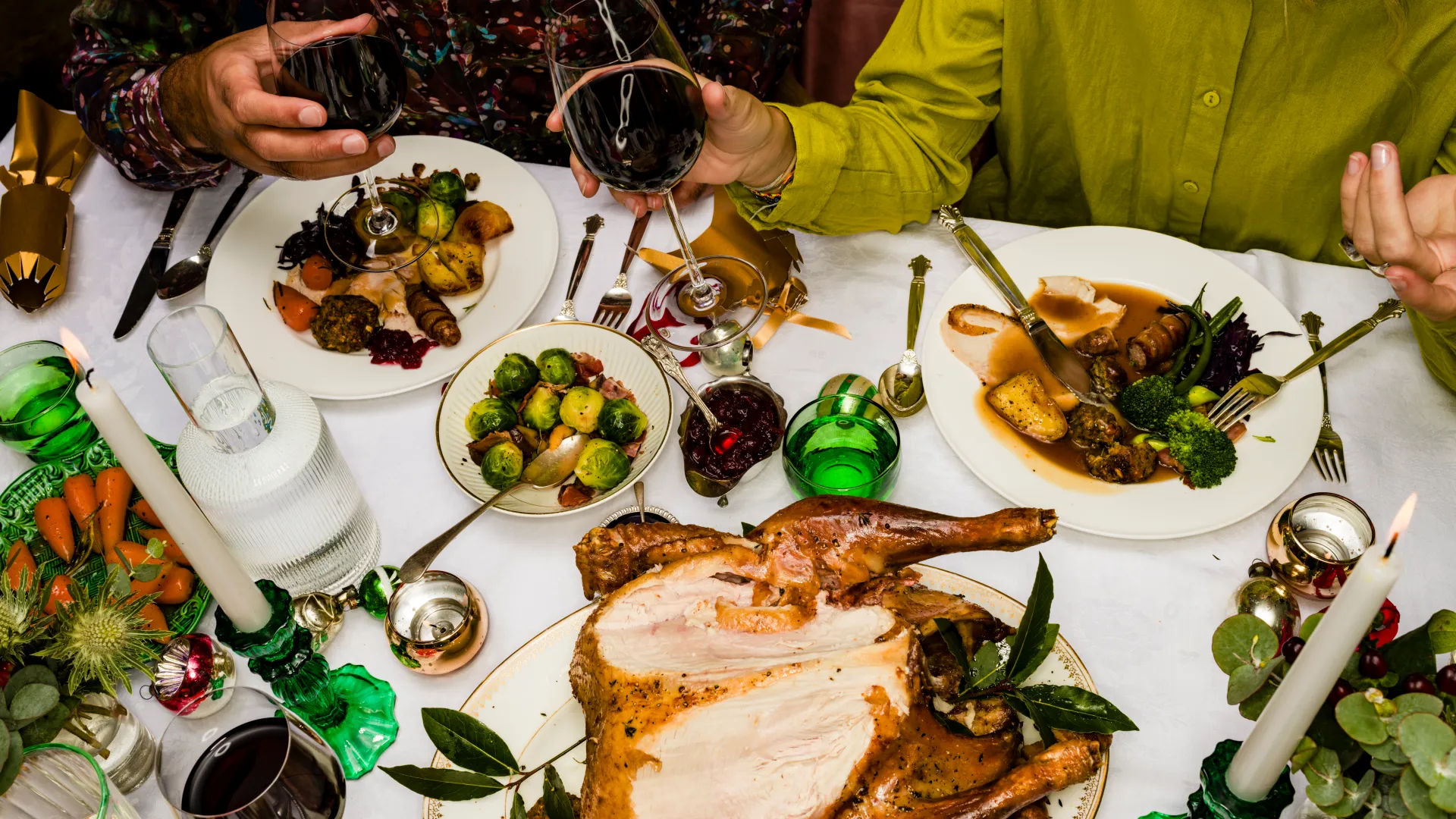
IT may seem crazy to be looking ahead to Christmas, but if you’re a keen gardener you know that the festive prep starts now.
A green-fingered expert shared the vegetables you should be planting now to enjoy them on the big day.
Mervyn Montgomery, who works as the director of Hampton Greenhouses, spoke exclusively to Fabulous about the gardening jobs to carry out this month.
“In September, the focus shifts to hardy crops that will see you through the colder months and even provide something fresh for the table in mid-winter,” he explained.
Kale
According to the expert, kale is the perfect “winter lettuce” to add to your flowerbeds.
He described it as a “reliable choice” that can tolerate low temperatures and continue producing leaves well into the new year.

FROST FIGHTER
B&M reduces winter garden buy – it protects plants & helps them grow

CAST AWAY
I’ve transformed my Winter garden with a £6.49 bag of ‘black gold’
And since it will keep producing for many months once established, it makes the perfect ingredient for your festive cooking.
Kale is best added as a young plant, with firm soil around the roots to give it stability through winter winds.
Spinach
Spinach is another winter lettuce recommended by the gardening expert.
He explained that this vegetable is generally straightforward to grow, making it ideal for beginner gardeners.
Spinach can be sown directly into prepared soil or in modules for transplanting later, keeping the soil moist to help the seeds germinate.
It is considered a fast-growing green and can be ready to harvest in as little as six to eight weeks.
This will give you a supply of fresh leaves through to Christmas and beyond if the weather is kind.
Chard
Another reliable choice which can thrive in lower temperatures is chard.
This vegetable has also been described as straightforward to grow and can be sown directly into prepared soil or in modules for transplanting later.
Like with spinach, make sure to keep the soil moist to help the seeds germinate.
Chard will also keep producing for many months once established, making it another handy addition to your Christmas recipes.
How to clean gardening tools before putting them away for autumn
Nick Ee, product and training manager at BLACK+DECKER spoke exclusively to Fabulous.
Nick says: “Garden tools often get put away at the end of summer without much thought, but components like lawnmower blades, string trimmer lines and pruners shouldn’t be overlooked. Paying attention to these details now will not only protect your equipment during the colder months but also make next year’s jobs far easier. Neglecting these areas can shorten tool lifespan, compromise performance, and ultimately create more work in the garden.”
- Lawnmower blades
“A sharp lawnmower blade is essential for a healthy, well-manicured lawn. Dull blades tend to tear rather than cut grass, leaving ragged edges that make the lawn more vulnerable to pests and disease. As a general rule, blades should be replaced every season or after around 25 hours of use. Before storing your mower away, check for signs of dullness, chips, or uneven cutting, and replace if needed. A quick clean and blade check now will save you hassle come spring.”
- String trimmer line
“Trimmer line naturally wears down, shortens, or frays with use, which can make achieving clean edges more difficult. I recommend replacing the line every few uses, or sooner if it begins to snap or fray. It’s always worth keeping spare line on hand so you’re not caught short. Before storing your trimmer, replace the line and wipe down the spool to prevent tangling or damage over winter.”
- Pruners
“Sharp, clean pruners make light work of cutting back shrubs, roses, and perennials, and help prevent damage to plant tissue. Before storing them away, clean off any sap or residue with warm soapy water, dry thoroughly, and oil the blades to prevent rust. If they’ve become blunt, sharpen them or replace the blade if your model allows. Storing them in a dry place will ensure they’re ready to go when spring growth arrives.”
Turnips
Root crops such as turnips can also be sown for harvesting later in the winter, according to the expert.
Meanwhile, spring cabbages planted now will provide tender greens early in the season.
A classic Christmas side dish, turnips can be broadcast or drilled in shallow rows and then thinned as they come up.
Swedes
Similarly to turnips, swedes are also a root vegetable that thrives in cold conditions.
It can also be broadcast or drilled in shallow rows and then thinned as they come up.
However, be advised that growth rates vary depending on the crop and the weather.
Garlic
Garlic can be put in the ground this month too, establishing roots before the frosts set in so that they are ready to bulk up in spring.
Bulbs should be pushed gently into the soil so the tips are just showing.
Make sure to space them well apart to allow for swelling bulbs.
Garlic should be regarded as a longer term investment than the above plants.
You can plant them now for harvesting next summer, while root crops are typically ready in three to four months depending on size.
Onions
Similar to garlic, overwintering onions can also be put in the ground this month.
Follow the same guidance when it comes to positioning them in the soil.
Another long-term investment, expect to enjoy this harvest next summer if you are only planting now.
Preparing your garden
“Although many of these vegetables are tough enough to grow outside, a greenhouse or cold frame is a real advantage for autumn and winter crops,” said the pro.
He explained that this set-up helps to create a more stable environment, protecting plants from the worst of the weather.
This in turn helps to extend the season, particularly for tender salad leaves.
“Even a small structure can make a big difference in providing home-grown produce right through to the new year,” he continued.
“September is also the perfect time to give your greenhouse a fresh start after the summer crops have finished.”
He recommended clearing out old tomato and cucumber plants, as well as cleaning the glass to maximise light, and refreshing the soil or compost will set the stage for the months ahead.
“It’s a good opportunity to check for pests and repair any ventilation
panels or insulation before the cold sets in,” the pro added.
“Once prepared, the greenhouse becomes invaluable not only for growing autumn and winter crops but also for protecting tender
plants such as pelargoniums, fuchsias, and citrus trees.
“With a little care now, your greenhouse will be ready to serve as both a productive growing space and a safe shelter for prized plants right through the winter.”
More on winter gardening
Plus, more vital gardening jobs you should do now to prepare for winter.
And the five flowers to plant this month for a colourful bloom in winter.
Gardeners have also urged homeowners to carry out these essential jobs for healthy winter growth.

jungle rumble
I’m A Celeb star Ruby Wax’s secret feud with TV rival who ‘stole her career’

XMAS SPIRIT
Town goes wild celebrating ‘Xmas for alcoholics’ as girls faceplant in street
And the two-minute task to carry out that will prevent your garden from flooding.
Plus, five more bulbs to plant now for flourishing flowerbeds from October to January.