
After almost two years of closure and undergoing a major revitalization, the Centennial Botanical Conservatory will reopen to the public this weekend for a glimpse of the modernized facility.
“It’s the culmination of our dreams,” said Sharon Sidlar, chairwoman of Friends of the Conservatory. “It’s what we’ve been working at for so long. Just to see it open and to be able to go in there and take a look at what has happened is beyond our wildest belief.”
Cory Halvorsen, the City of Thunder Bay’s manager of parks and open spaces, explained how the work was completed in the first two phases, with the final outdoor third phase beginning this summer.
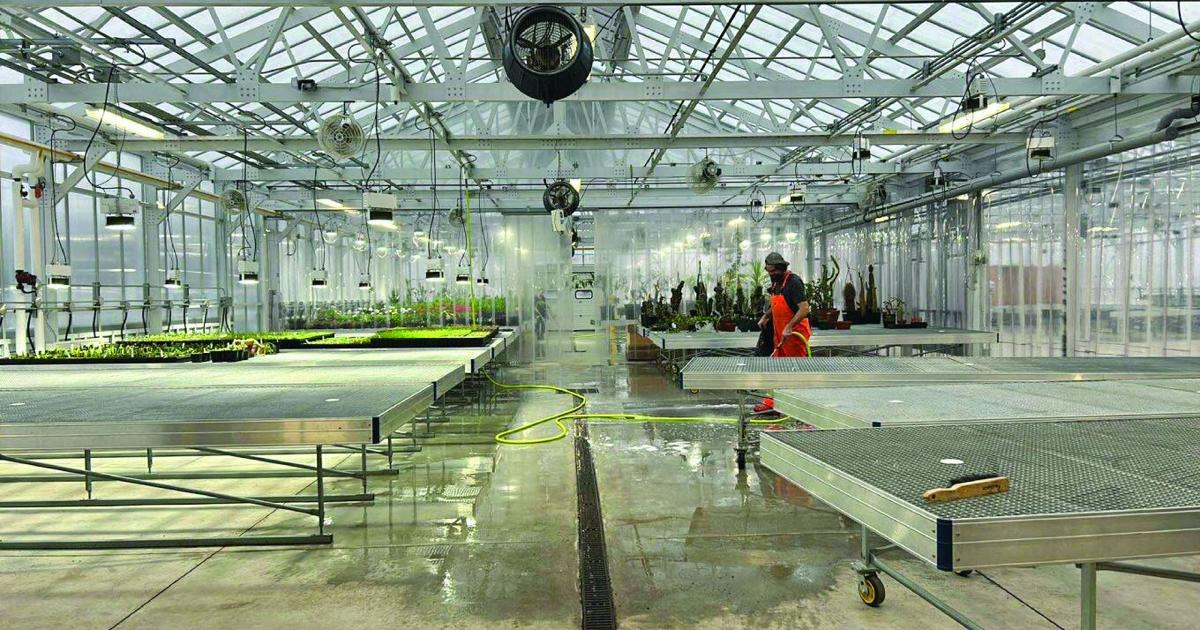
“When we closed for this phase in February 2024, at that point, the greenhouses had already been built,” he said.
“We had awarded the tender for the phase two renewal, which included the main tropical display areas, the east and west wings, as well as all of the mechanical systems and back-of-house building upgrades. Essentially, all of the hard, physical facility infrastructure was renewed, including all new glazing, which is the replacement of all glass panels with acrylic.”
All of the tropical plants and cacti were either moved, or protected in place and saved from the elements during construction.
There were some bumps along the way.
“It was a challenging winter,” Halvorsen said.
Guy Walter, supervisor of landscape architecture and horticulture, said besides housing part of the collection, the completed greenhouses, which are now located in the facility’s annex, were used to start new plants from cuttings.
“Once we rebuilt the wings, we used the salvaged cacti and plants to reinstall a completely new display,” Walter said.
The state-of-the-art greenhouses are also fully encased in new acrylic glazing, with new boilers, hydronic radiators, heated slab floors that are also in the new wings, and new seed germination brooders that will enable double growth production for civic gardens.
“That was a key piece to the plans that we had put forward when the conservatory was originally approved to move ahead,” Halvorsen added.
“We identified that we could grow up to $150,000 worth of low-impact, development-related native plants every year for stormwater management, to reduce the cost of those capital projects, while having a higher rate of success because they’re grown from local seeds.”
The conservatory has been working closely with Fort William First Nation, Lakehead Regional Conservation Authority and Lakehead University to grow the plants that are required for some of these environmental rehabilitation projects.
Both east and west wings, which have been closed for over a decade, are now fully open to the public.
“The actual height in the redesign of the east and west wings is seven feet higher than they were originally, so we have a lot more clearance,” Walter said.
“It also allowed us to match the profile of the tropical house. And we also added the garden doors on either wing so we can have indoor, outdoor space events and displays that connect into public gardens and then out around the side perimeter, to a terrace.”
He added that all the curbing throughout the entire facility came out of the Kaministiquia River 30 years ago.
“The granite pieces were part of an old roadbed dating back 110 years ago, outside of one of the elevators,” he said. “We found full-grown trees were growing out of these piles of cobble in our Empire yard. We cleaned them up, and . . . instead of pouring concrete curbs, we have real local granite.”
Also new is the picturesque indoor waterfall and pool that also filters water for irrigation. A light-changing modern chandelier floats above the waterfall. Computerized irrigation and lighting have been installed in all public areas and four washrooms have also been added.
The city will host a soft opening of the facility on Saturday from 11 a.m. to 4 p.m. for the public to visit.